
Agricultural Bioweapons, Part One
Oh, good—a new thing to worry about
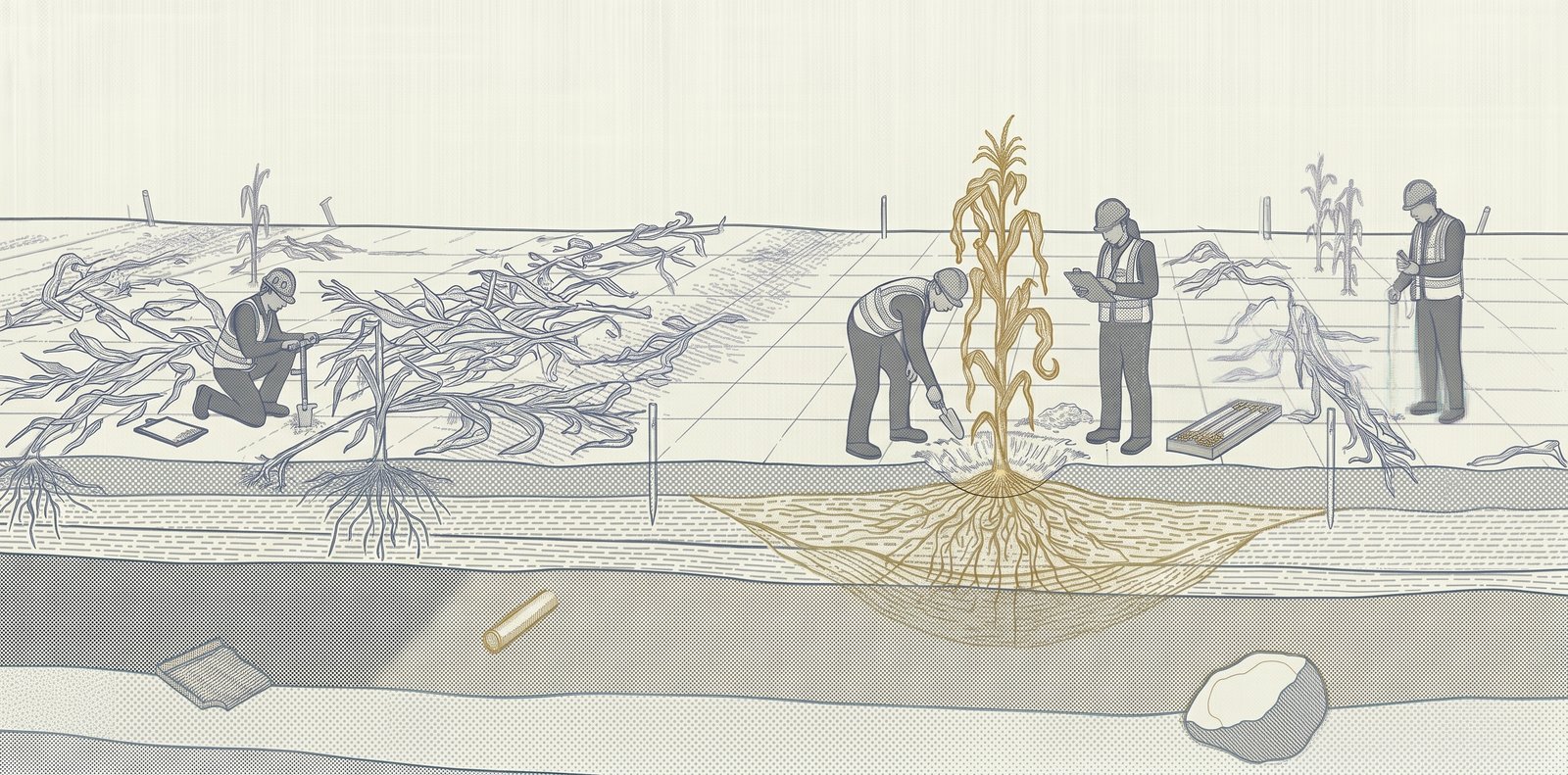
Although I’ve long worried about AI biorisk, I’ve come to realize that I was underestimating the scope of the problem. Like most people, I’d equated biorisk with bioterrorism: the potential for AI to empower a nihilistic group or individual to unleash a doomsday plague. I still worry about that, but a recent article by Abishaike Mahajan made me realize that we we also need to worry about AI-enabled agricultural bioweapons.
The agricultural bioterrorism section of that article does a great job of explaining why agricultural bioweapons (hereafter agro-weapons) are technically feasible and economically destructive. Today I want to argue that in addition to being feasible, agro-weapons might be attractive to a range of rational bad actors in a way that a doomsday plague would not be.
This is Part One of a two part series. In Part One, I’ll discuss the factors that make agro-weapons easier to create and target than human pathogens. And in Part Two, I’ll explore scenarios in which a range of bad actors might find agro-weapons useful and consider how effective they might be in the real world.
Author’s note: Claude really doesn’t like this article—this was the first time I ran into the forbidden topics classifier. It refused to help with research, editing, or even making a post image. I had to write my own image prompt like some kind of medieval peasant.
What are agro-weapons?
An agro-weapon is a bioweapon that targets crops or livestock rather than humans. It can be as simple as a World War II cattle cake impregnated with anthrax, or as complex as a novel bioengineered pathogen. From an AI risk perspective, we’re concerned with the ability of AI to bring sophisticated bio-engineered agro-weapons within reach of bad actors who wouldn’t otherwise be able to create them.
Agro-weapons are easier to work with
Human pathogens are notoriously hard to work with: any pathogen dangerous enough to be useful as a weapon is by definition dangerous to the people working on it. A human bioweapon program would require at least a Biosafety Level 3 facility, which is complex and expensive to build and operate. Accidents happen even at well-resourced official facilities—the risk is much higher for clandestine facilities with limited resources and technical expertise.
Agro-weapons, on the other hand, are much safer to work on. Wheat rust doesn’t infect humans, so you can work on it without needing a high security biolab. You don’t even need to wash your hands before going to lunch (not really: you should always wash your hands before lunch). The ease of working with them makes agro-weapons accessible to individuals and groups that lack the capacity to work with human pathogens.
Agro-weapons can be targeted
A second advantage of agro-weapons is that they can be targeted in a way that human pathogens cannot. People speculate about bioengineered viruses that target specific ethnic groups, but we are mercifully a long way from knowing how to do that.
Agro-weapons, on the other hand, can targeted at a specific region or agricultural sector. Many harmful fungi already target specific species or even specific cultivars—with bio-engineering, they could likely be made even more precise. That specificity greatly increases their usefulness for warfare, terrorism, or mundane crime.